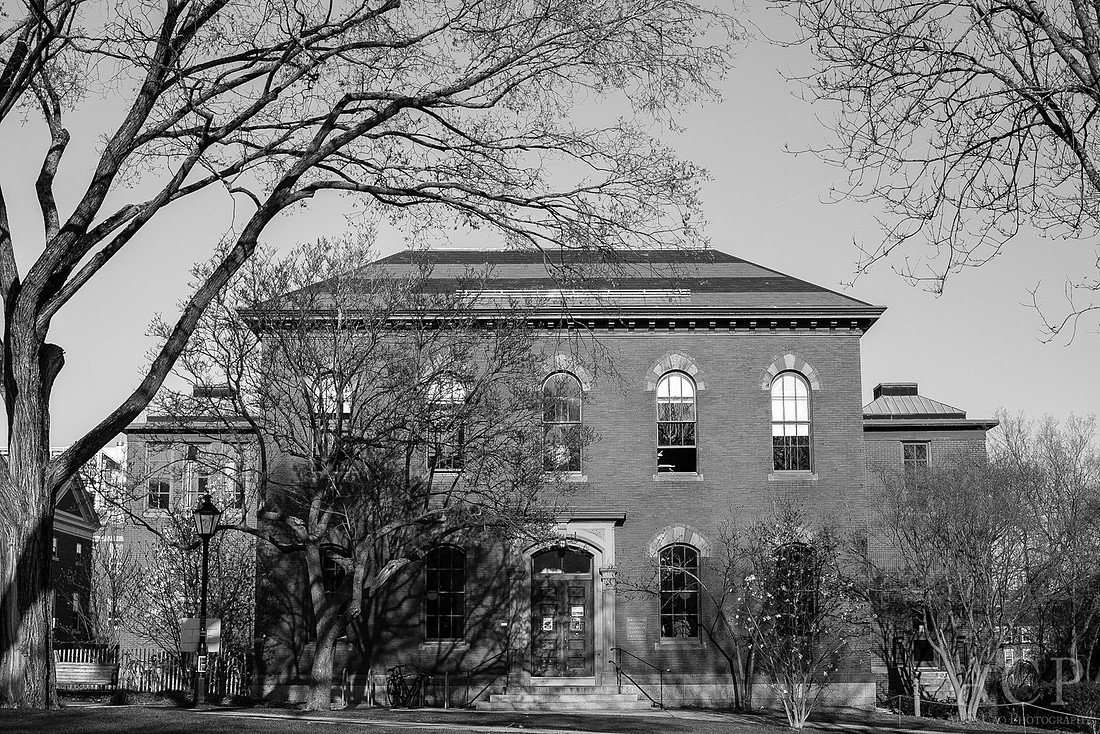
Alpert Medical School's Ceremony of Gratitude
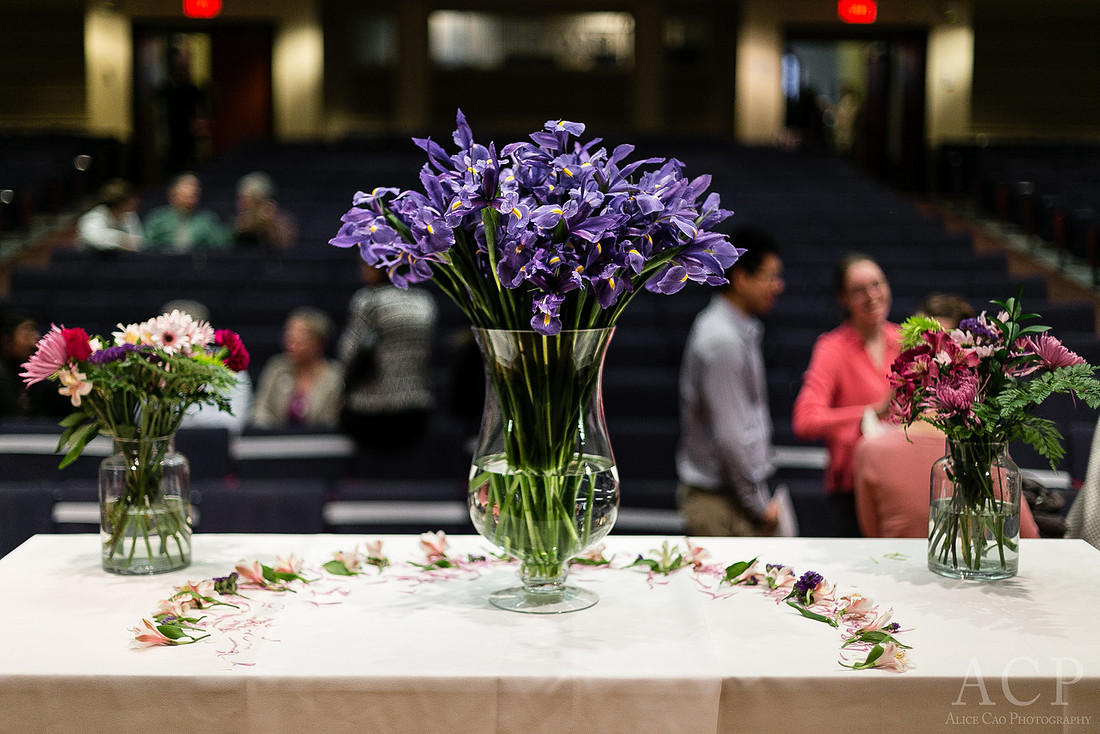

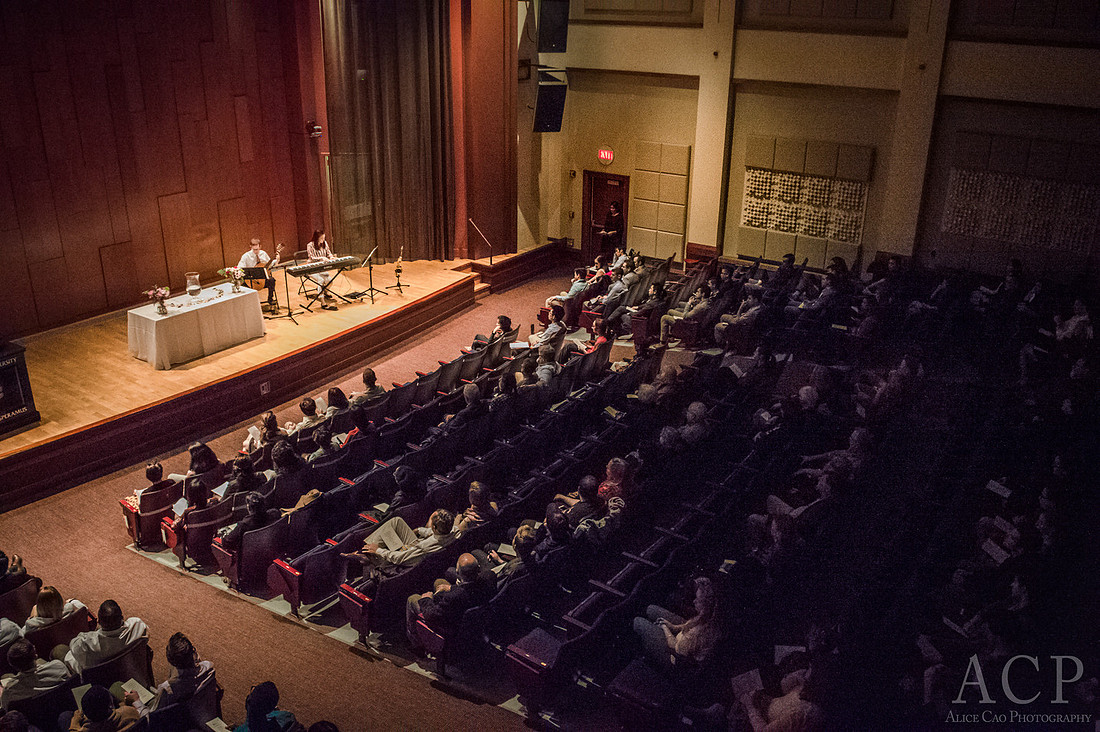
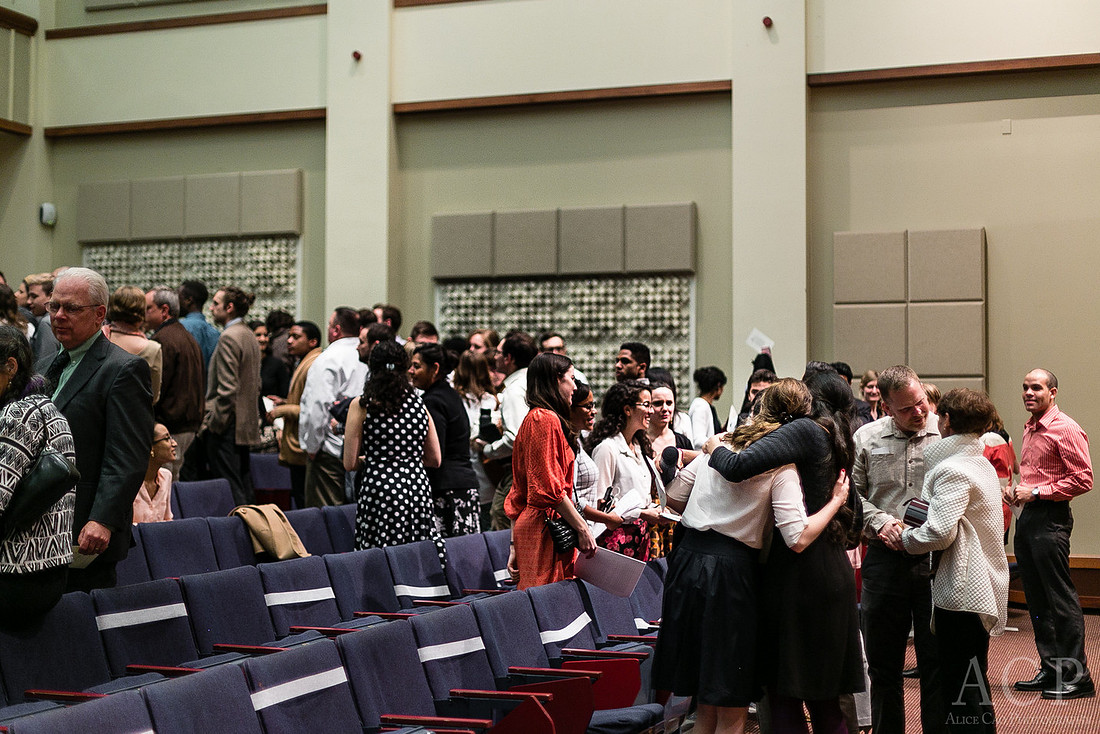
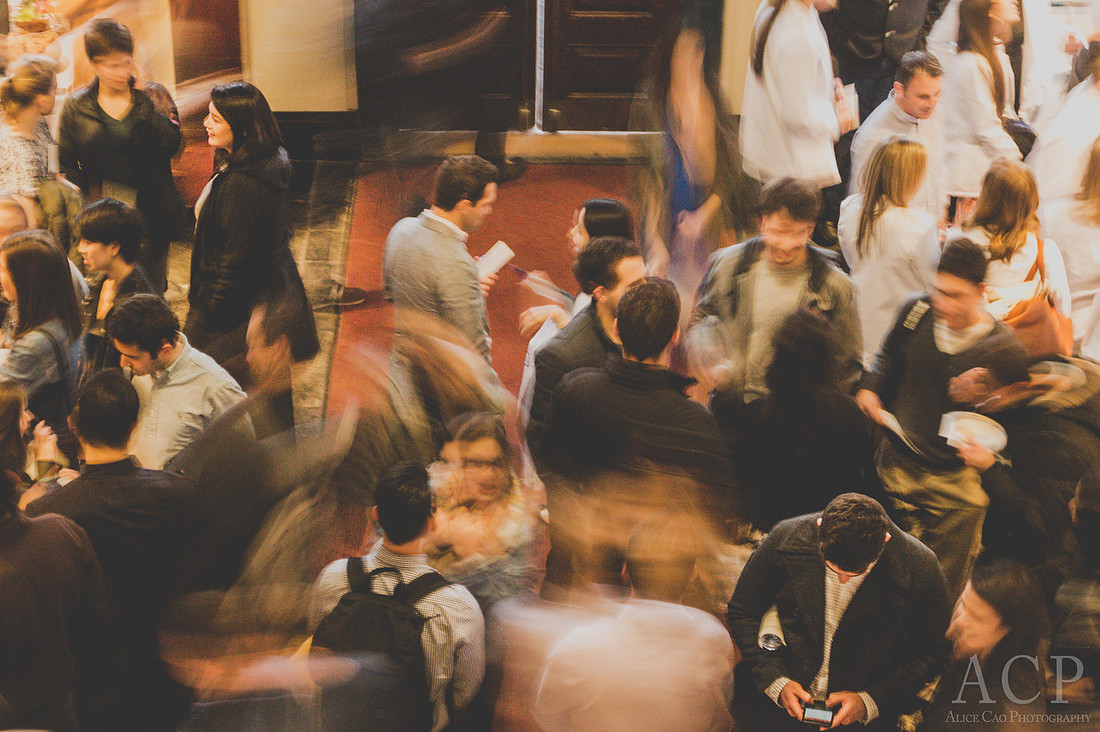
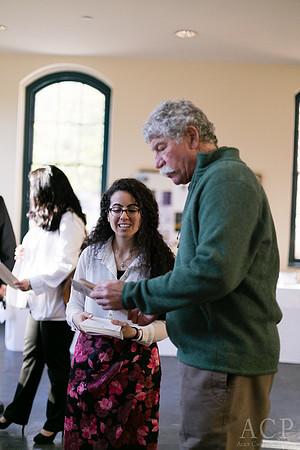
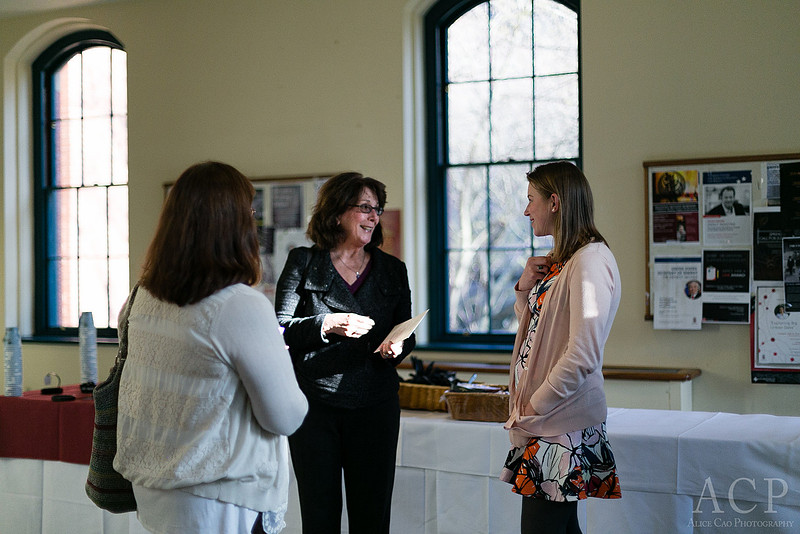
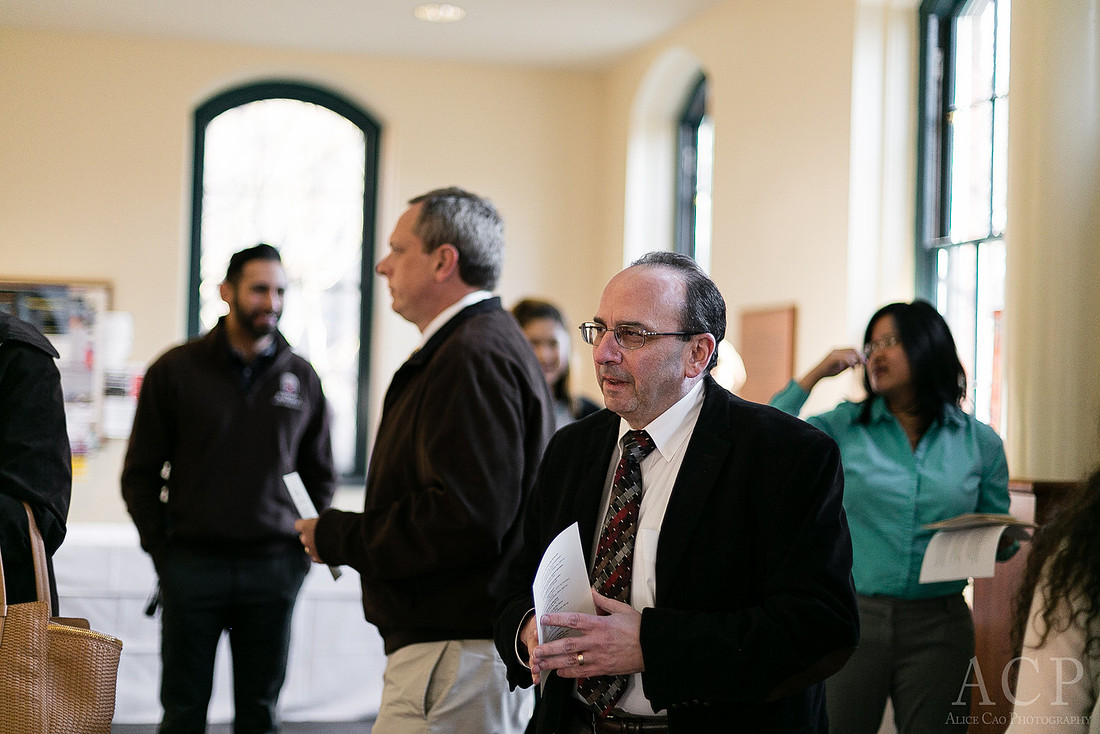
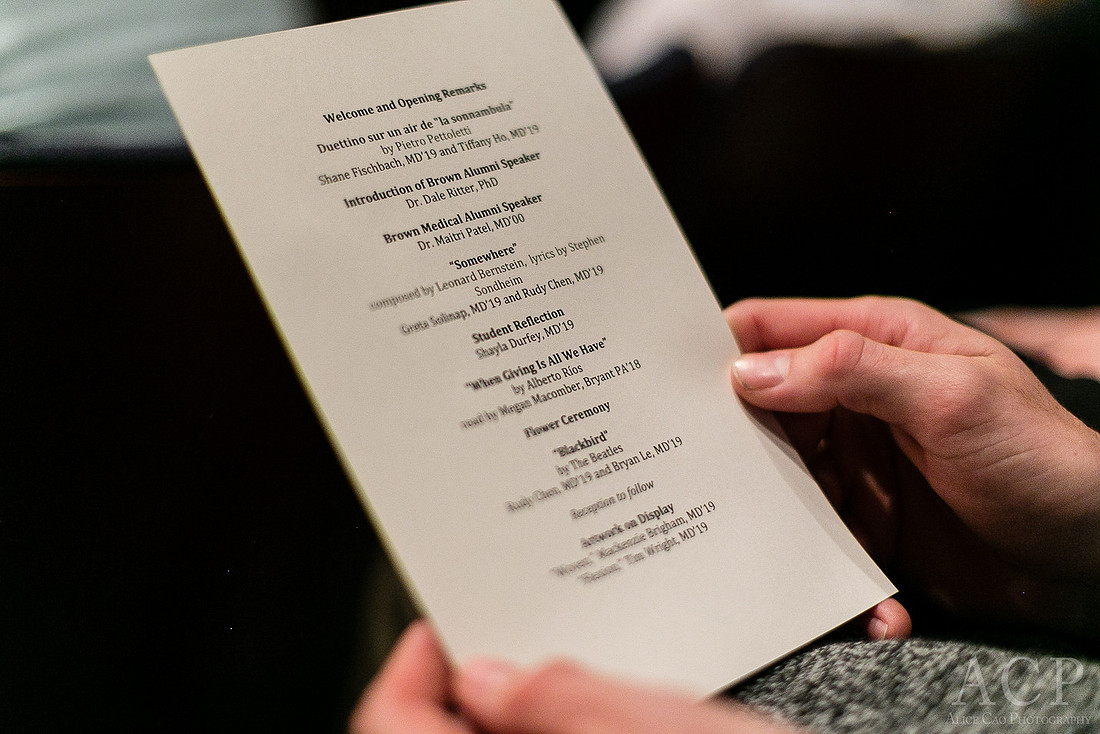
I was so excited and honored when given the opportunity to photograph the Ceremony of Gratitude. This event, planned by first year students at Alpert Medical School of Brown University, was meant to honor and recognize anatomical donors, their family, and their loved ones. There were moving stories, powerful music, a flower ceremony to honor each anatomical donor, and of course amazing food, conversation and encounters between students and families of donors. However, as a member of the first year class, and as someone who had just dissected the arms and legs of one of the donors, I did not feel that I could provide the best perspective on this event. I was curious what a non-medical student thought of the ceremony, so I asked my husband, my second photographer, for his thoughts. I thoroughly enjoyed reading his thoughts on the event. I would love to hear yours as well-- leave them in the comments section below!
 I admit, the idea of meeting with the family and loved ones of people who donated their bodies to medical schools for anatomy classes is still difficult to fully grasp for me. Perhaps it stems from my own thoughts of the sacredness of the body – the inviolability of the person. It just feels like such an intrusion. At the same time I can see the tremendous benefit: my wife who wants to be a surgeon can see where muscles originate, how tissues are innervated – even the consequence of disease and medical intervention on the body.
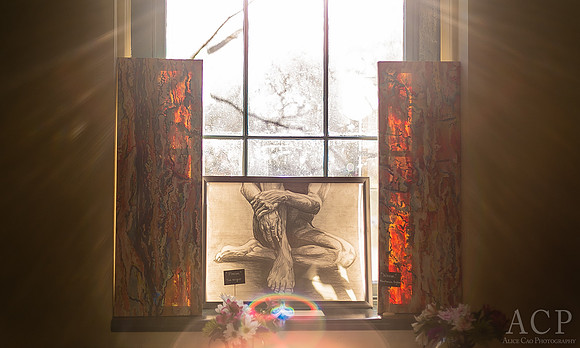
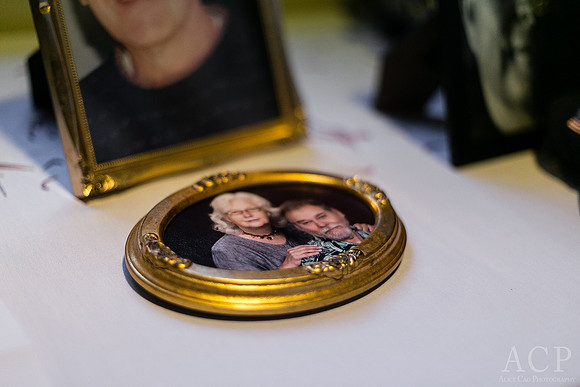
It must be a tough moment for the families, knowing that their loved one has passed and not having their body present for the final burial rites. At the same time what a privilege it must be to be able to instruct the next generation of medical professionals. In a sense, through the loss of one life so many more lives have been impacted, and will be saved.
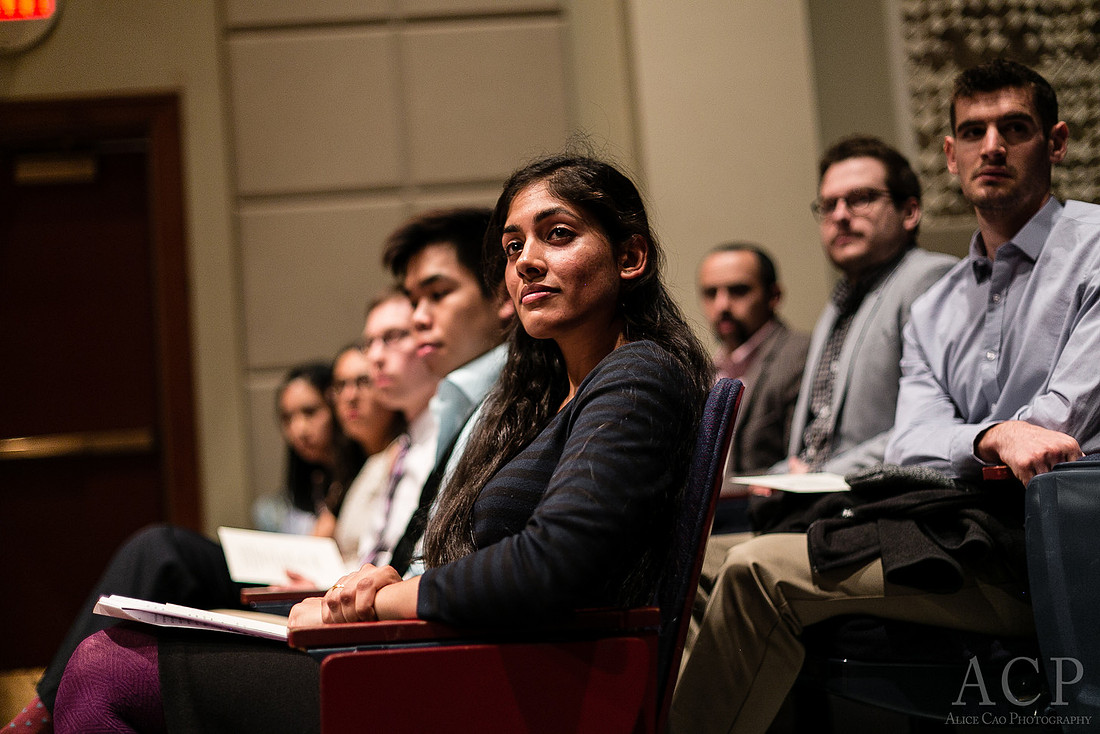
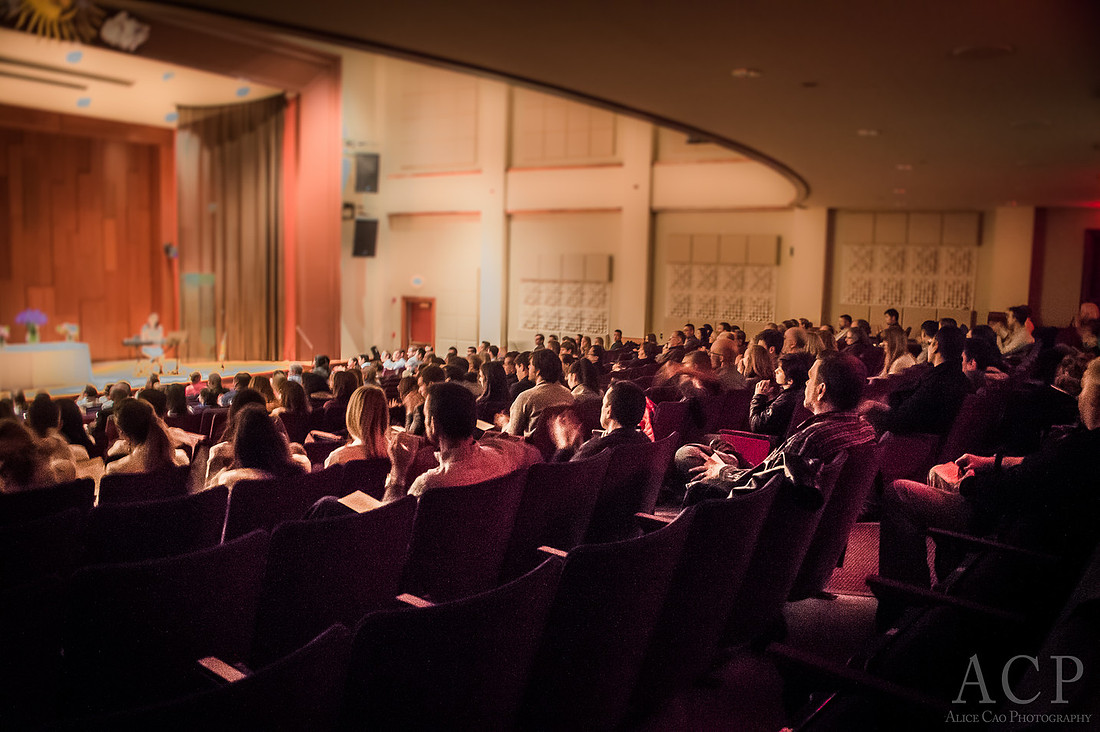
This is a rare opportunity that I have never previously been able to observe. In a sense this is what I imagine the role of a physician was in times when there was a more intimate connection between the physician and the patient and his/her significant others, than what we typically think of healthcare today: rapid, transient and impersonal. I felt that this ceremony is a giant step towards a more patient-centric time in the medical profession.
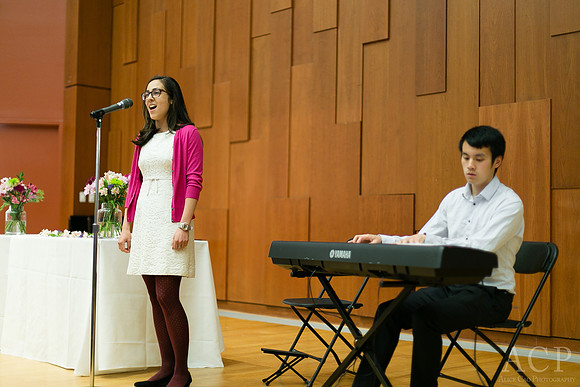
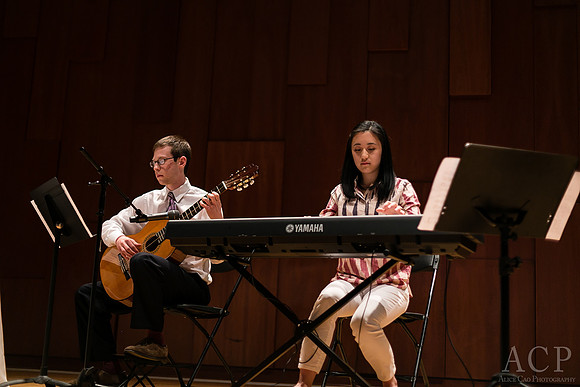
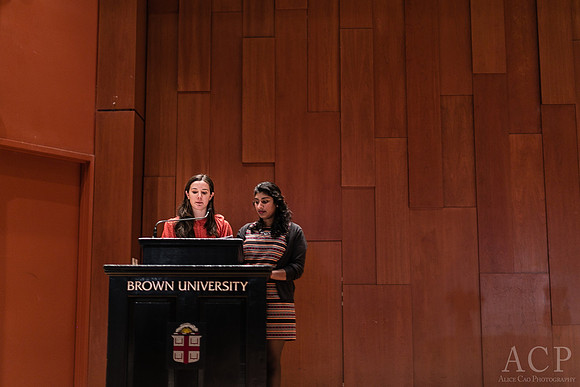
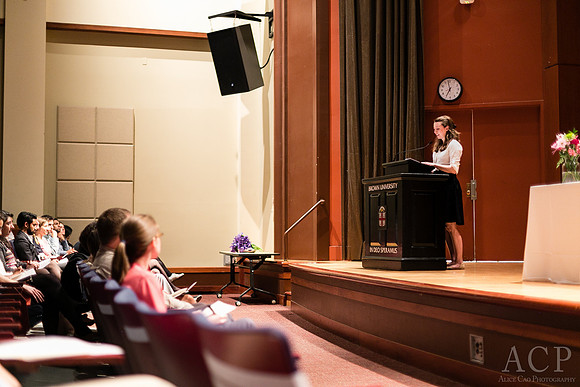
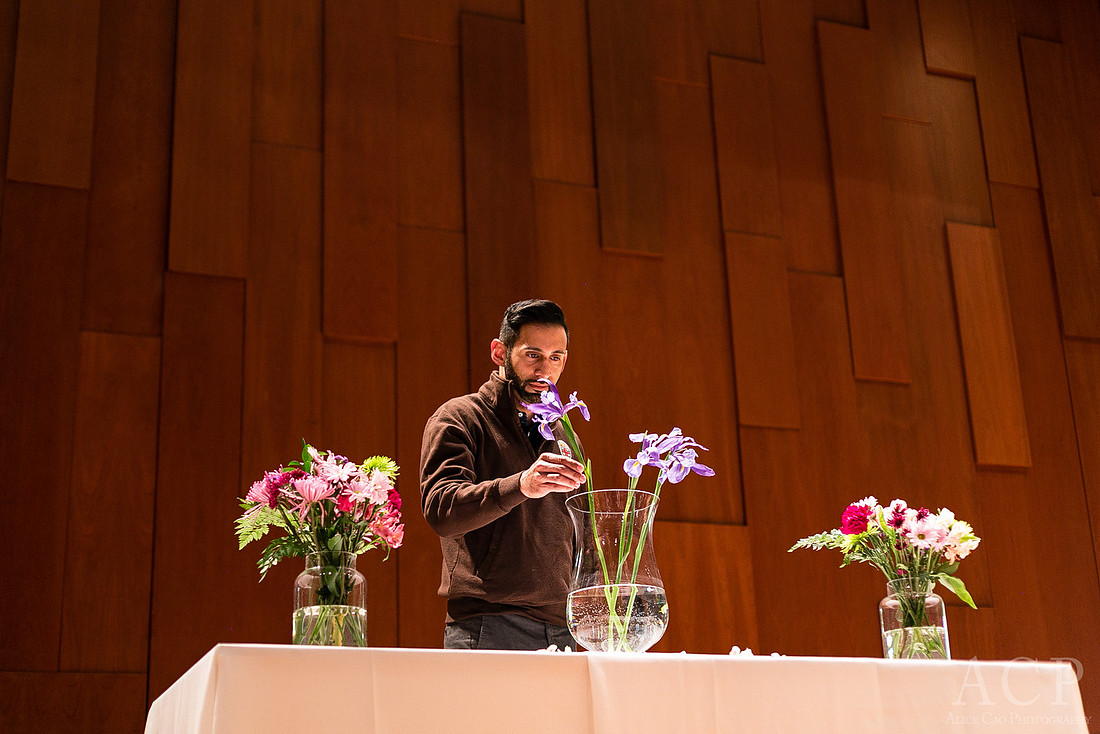
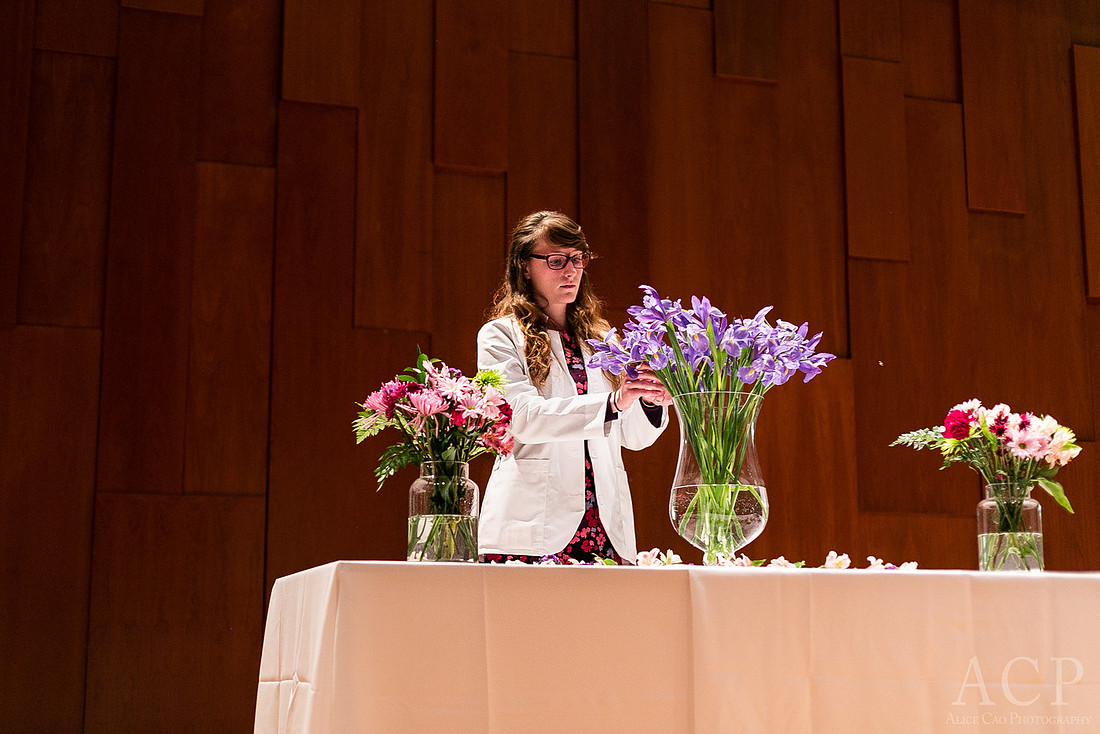
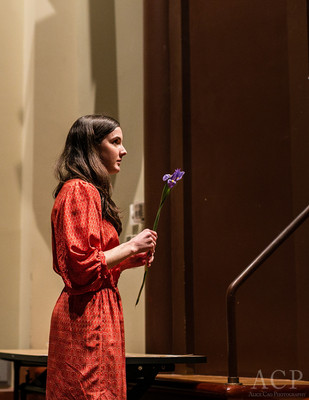
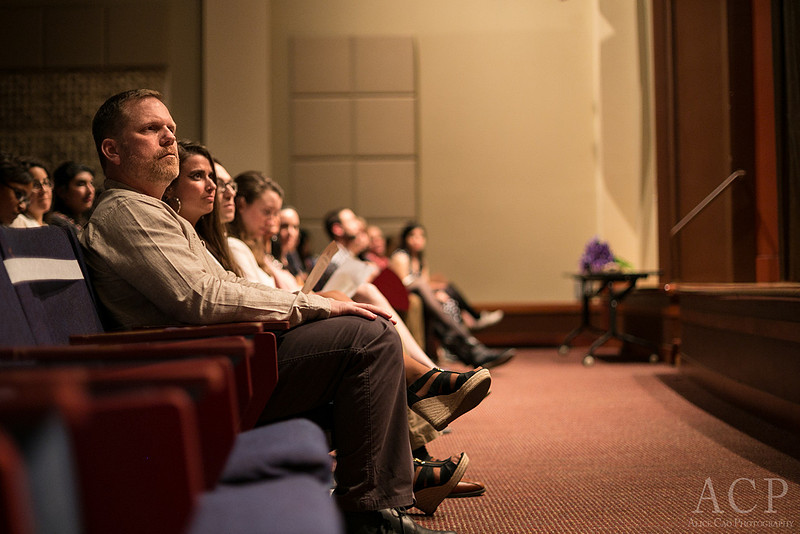
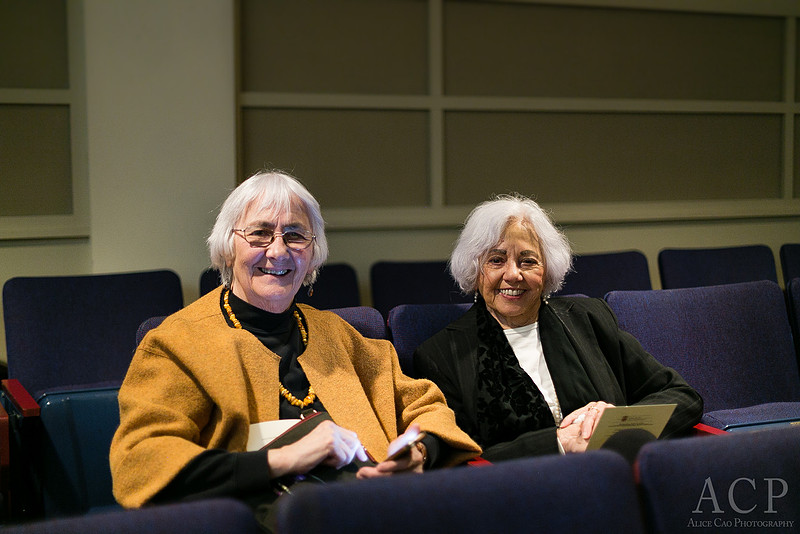
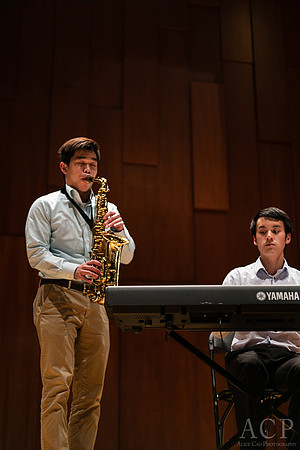
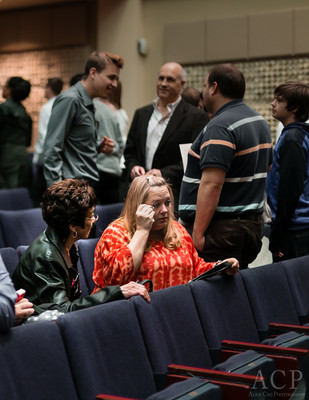
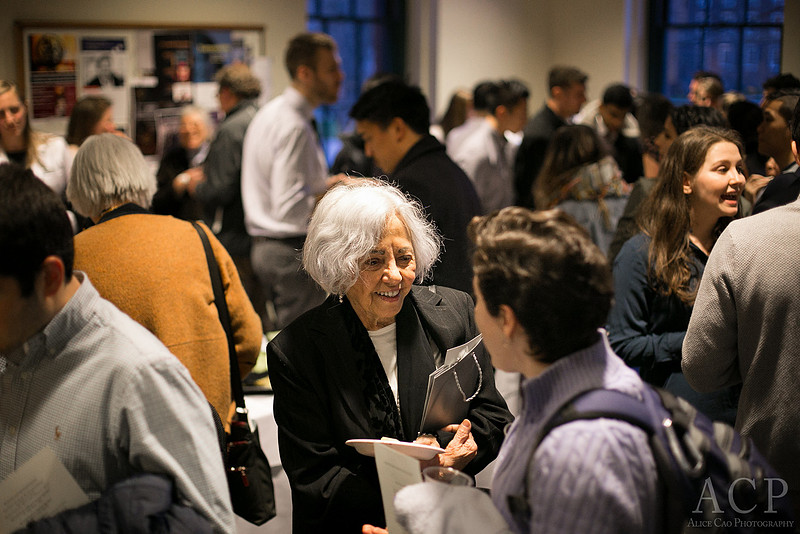
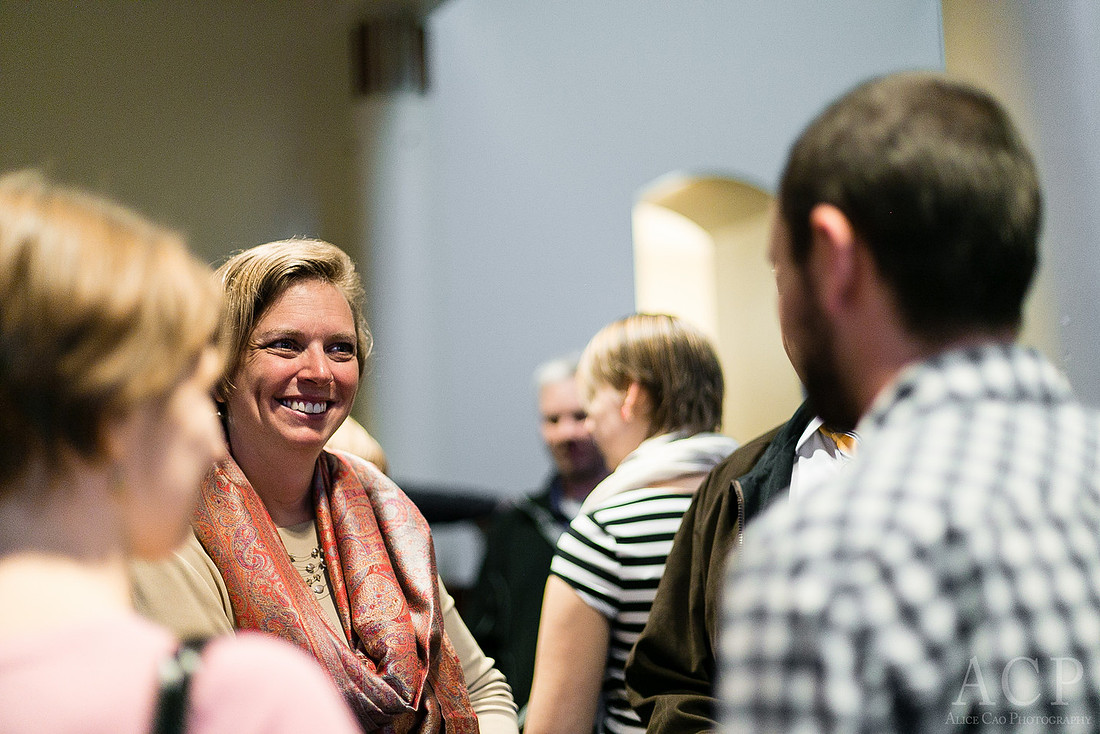
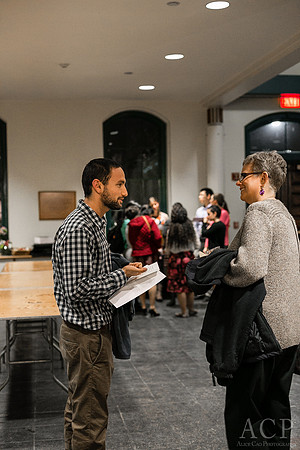
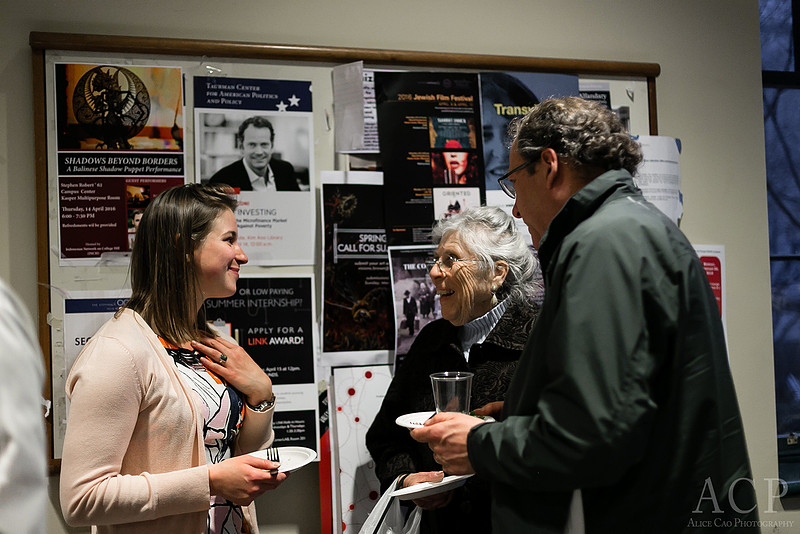
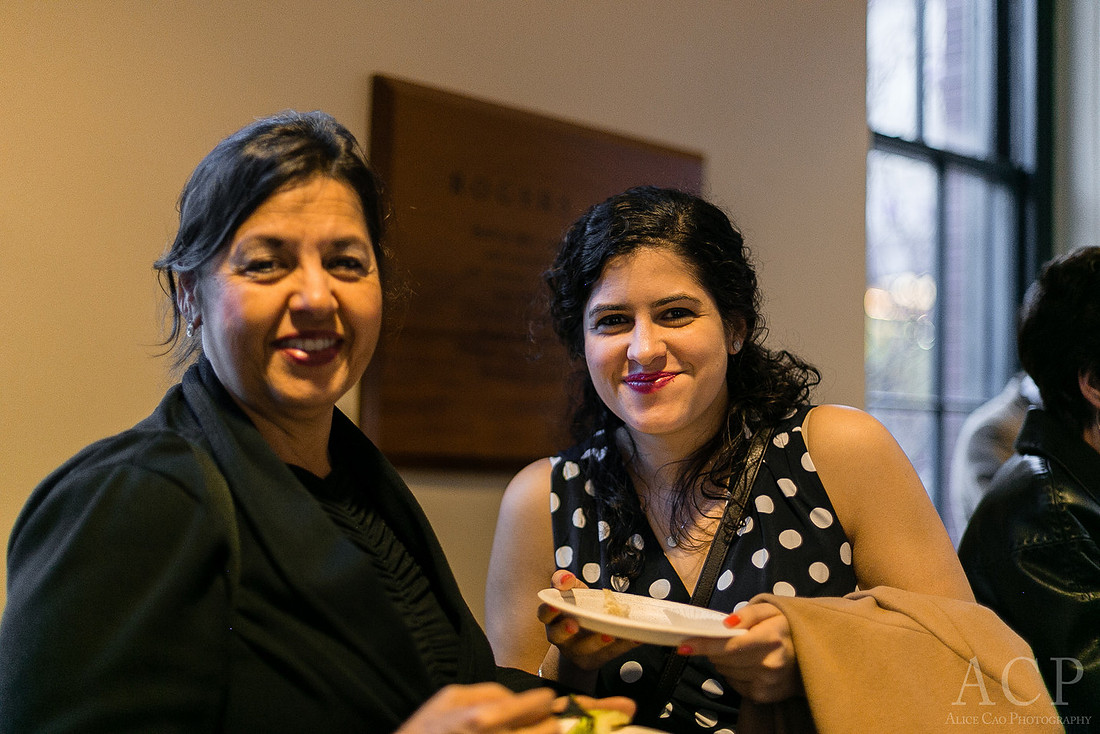
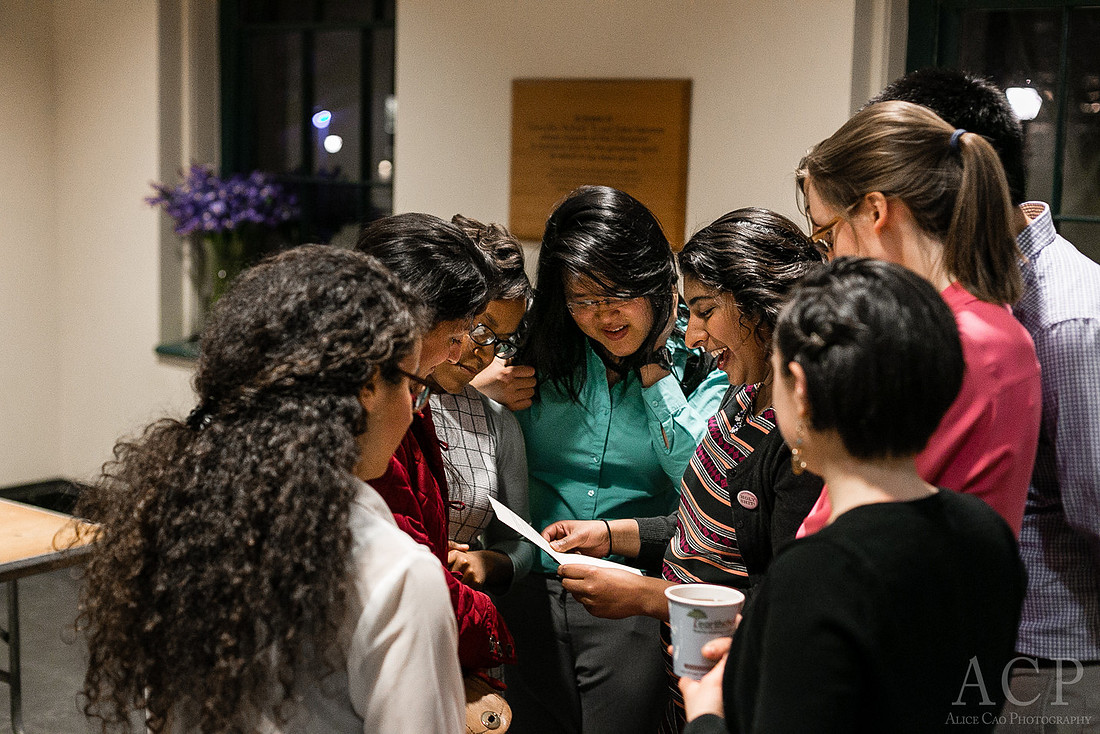
I enjoyed seeing the students and the loved ones of the anatomical donors spend time with each other – sharing stories about the donors’ lives as well as how their gift has helped prepare the students for service as physicians. I overheard how grateful the students were to the donors and their families, and how grateful the families were to know that their gift has left a lasting impression.